

Bottled Water Market Insights: The Growing Adoption of 1,000 mL Formats
As global populations grow and lifestyles evolve, demand for convenient, longer-lasting hydration continues to rise. Traditionally, the bottled water market was dominated by household-size jugs and small portable bottles, but a gradual shift toward mid-to-large, more functional formats is emerging in some regions. This article examines the growing attention on the 1,000 mL (1 L) bottled water format and the consumer and design factors influencing this trend.
The Evolution of Bottle Sizes: From Convenience to Practicality
For years, bottled water typically ranged from 500 to 600 mL — ideal for short-term refreshment. However, with faster-paced lifestyles and longer commutes, consumers now seek hydration solutions that last throughout the day. Smaller bottles are increasingly viewed as less practical for full-day use.
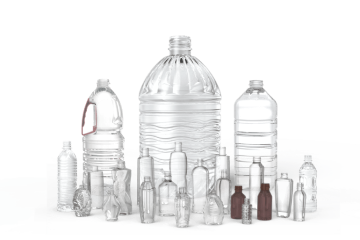
Recently, 700 to 1,000 mL bottles have gained more visibility, particularly among office workers, students, fitness enthusiasts, and outdoor users. These mid-to-large formats reduce purchase frequency and support longer hydration, while potentially lowering total plastic use.
Key Insight:The rise of the 1,000 mL bottle reflects a gradual shift in some markets from “instant refreshment” toward “sustained hydration.”
Health and Functionality: Why Consumers Are Paying Attention
| Feature | 500 mL Bottle | 1,000 mL Bottle |
|---|---|---|
| Hydration Coverage | Short-term | Suitable for all-day hydration |
| Typical Usage | Indoor / everyday | Outdoor / active lifestyles |
| Environmental Impact | Higher bottle use | Fewer bottles, less plastic overall |
| Health Trend Alignment | Moderate | Stronger alignment (replacing sugary drinks) |
Compared with smaller bottles, the 1 L format offers longer hydration coverage with fewer refills, particularly useful for consumers with active or on-the-go routines. As health awareness increases, more consumers are choosing sugar-free and low-calorie options — making bottled water a frequent replacement for soft drinks in many markets.
Beyond Functionality: Design and Lifestyle Adaptability
In addition to capacity, many 1,000 mL bottles are now designed for everyday convenience — fitting easily into backpacks, gym bags, or car cup holders.
Brands are also promoting the message of “fewer bottles, less plastic,” aligning with sustainability goals and appealing to eco-conscious consumers.
Market Overview: Gradual Growth in 1,000 mL Acceptance
In markets such as Japan, Korea, and parts of Europe and North America, 1 L bottled water formats are becoming more visible on retail shelves.
In Taiwan, convenience stores and retailers have introduced 800 to 1,000 mL options under private labels.
As hydration habits stabilize and efficiency becomes a priority, the 1,000 mL format may become a more common choice among certain consumer groups.
Manufacturing Perspective: How Larger Bottles Impact Blow Molding Technology
As bottle sizes expand from 500 mL to 1,000 mL or more, manufacturing precision becomes increasingly important.
Traditional single-stage blow molding machines may encounter challenges such as uneven stretching, inconsistent wall thickness, or slower production speeds.
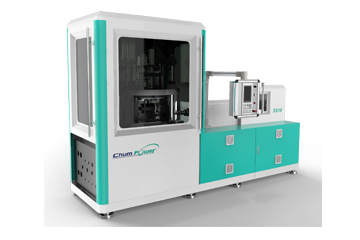
By contrast,two-stage PET stretch blow molding machines — which perform preheating, stretching, and high-pressure blowing — ensure consistency, strength, and lightweight design for large bottles from 800 mL to 2,000 mL.
CHUMPOWER Phoenix Series Highlights:
- Supports bottles from 800 mL to 2,000 mL
- High-speed, energy-efficient performance
- Precision stretching and stable blowing
- Enables lightweight yet strong bottle structures
CHUMPOWER’s Phoenix Series PET stretch blow molding machine is designed to meet evolving capacity needs, supporting manufacturers in achieving stable, energy-efficient, and sustainable production.
Conclusion: Reflecting Lifestyle Shifts and Brand Adaptation
The transition toward larger bottle sizes is not merely a packaging trend — it mirrors changing consumer preferences for health, convenience, and sustainability.
As mid-size bottles gain visibility, brands that adapt product design, distribution, and messaging accordingly will be better positioned to remain competitive in a dynamic market landscape.
FAQ — Common Questions About 1,000 mL Bottled Water
Q1: Why is 1,000 mL bottled water gaining attention?
A1: It offers longer hydration coverage, fewer purchases, and aligns with health and sustainability goals.
Q2: Does using 1 L bottles automatically reduce plastic waste?
A2: Potentially, yes — if consumers replace multiple small bottles with one larger one — but actual impact depends on usage and recycling habits.
Q3: Does producing 1 L bottles require specialized equipment?
A3: Larger bottles require more precise heating, stretching, and cooling control, which two-stage PET stretch blow molding machines can provide.
Q4: Is the 1 L size now a global standard?
A4: Not yet. While acceptance is growing in some markets, bottle sizes still vary widely depending on regional and consumer preferences.
Call to Action
Planning to introduce a 1,000 mL bottled water product?
CHUMPOWER provides complete OEM/ODM solutions — from market analysis and
bottle design to mold development and PET stretch blow molding equipment
selection.
 Contact us today to explore new opportunities in large-format bottled water
production.
Contact us today to explore new opportunities in large-format bottled water
production.